

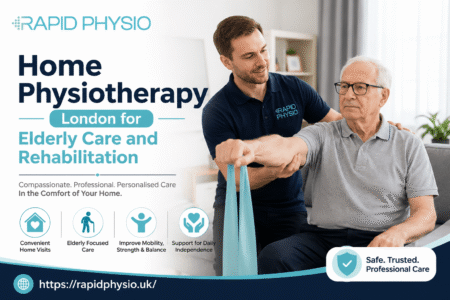
As people age, maintaining mobility, strength, and independence becomes increasingly important. Recovery from surgery, falls, strokes, fractures, or chronic conditions often requires consistent rehabilitation tailored to individual needs. Professional care delivered in a familiar environment can reduce stress, improve comfort, and encourage better participation in treatment. Many families now choose personalized rehabilitation services because they eliminate unnecessary travel while supporting safer recovery. This approach is especially beneficial for seniors who experience mobility limitations or ongoing medical concerns. For those searching for home physio london, individualized treatment plans provide a practical way to continue rehabilitation with confidence.
| Elderly Rehabilitation Need | How Personalized Care Helps |
| Fall recovery | Improves balance, strength, and confidence |
| Joint replacement rehabilitation | Restores flexibility and walking ability |
| Stroke recovery | Supports movement, coordination, and daily activities |
| Arthritis management | Reduces stiffness and improves joint function |
| Chronic back or neck pain | Encourages safe movement and pain management |
| General mobility decline | Builds strength for everyday independence |
| Arthritis management | Reduces stiffness and improves joint function |
Benefits of Personalized Rehabilitation for Older Adults
Age-related conditions often require careful assessment before beginning any rehabilitation program. Every individual has unique health concerns, medications, mobility levels, and recovery goals. A qualified therapist evaluates these factors before creating a customized treatment strategy.
One significant advantage of home visit physiotherapy london services is that exercises can be designed around the patient’s actual living environment. Instead of practicing movement in a clinic, seniors learn how to safely navigate their own stairs, hallways, bathrooms, and other commonly used spaces. This practical approach often improves confidence and reduces the risk of future falls.
Personalized rehabilitation may include:
- Balance and fall prevention exercises
- Strength-building programs
- Walking and gait training
- Joint mobility improvement
- Pain management techniques
- Post-surgery rehabilitation
- Stroke recovery exercises
- Functional training for daily activities
These treatments are gradually adjusted as progress is made, ensuring exercises remain safe and effective throughout recovery.
Another important benefit is convenience. Travelling to appointments can be physically demanding for elderly individuals, especially during recovery from surgery or illness. Receiving professional treatment in familiar surroundings allows greater focus on rehabilitation rather than transportation challenges.
Family members also gain valuable guidance. Therapists often demonstrate safe transfer techniques, mobility assistance, and exercises that caregivers can help supervise between sessions.
Conditions commonly managed through home physiotherapy london include osteoarthritis, hip and knee replacements, neurological disorders, spinal conditions, muscle weakness, fractures, balance disorders, and age-related mobility decline.
Recovery is rarely about treating a single symptom. Instead, successful rehabilitation addresses overall physical function, helping older adults regain confidence in everyday activities such as walking, standing, climbing stairs, dressing, and moving safely around their environment.
Exercise programs are carefully progressed according to each person’s abilities. Gentle strengthening routines improve muscle endurance, while flexibility exercises reduce stiffness and increase joint movement. Balance training can significantly lower the likelihood of future falls, which remain one of the leading causes of injury among older adults.
Therapists may also recommend simple environmental modifications to improve safety. These could include removing loose rugs, improving lighting, rearranging furniture, or suggesting assistive devices where appropriate. Such recommendations complement rehabilitation by reducing potential hazards.
Communication between healthcare providers, caregivers, and family members also plays an important role. Coordinated care helps ensure that rehabilitation goals remain consistent with overall medical management.
For elderly individuals living with long-term neurological conditions, ongoing rehabilitation supports mobility maintenance rather than only short-term recovery. Consistent exercise may help slow functional decline while encouraging continued independence.
Pain management is another key component. Rather than relying solely on medication, rehabilitation often incorporates gentle movement, stretching, strengthening, posture correction, and education about body mechanics. These techniques can improve comfort while supporting long-term function.
Regular progress assessments allow treatment plans to evolve as mobility improves. Goals may begin with standing safely, progress to independent walking, and later focus on improving endurance for everyday activities such as shopping or social outings.
Beyond physical improvements, rehabilitation often contributes positively to emotional wellbeing. Regaining independence after illness or injury can increase confidence, reduce anxiety, and encourage greater participation in family and community life.
Education remains an essential part of every rehabilitation program. Seniors and caregivers learn proper exercise techniques, safe movement strategies, pacing methods, and ways to manage symptoms between treatment sessions. This knowledge encourages continued progress even outside scheduled appointments.
Consistency is one of the strongest predictors of successful recovery. Following prescribed exercises regularly helps maintain improvements in strength, flexibility, and coordination. Therapists often provide structured routines that fit comfortably into daily life without becoming overwhelming.
Technology has also enhanced rehabilitation in recent years. Some providers supplement in-person sessions with virtual follow-ups, exercise videos, or digital progress tracking, helping patients remain engaged throughout their recovery journey.
Selecting an experienced rehabilitation professional is important. Qualifications, clinical experience, communication skills, and an evidence-based approach all contribute to effective treatment outcomes. A thorough initial assessment should always guide the rehabilitation process rather than applying identical exercises to every patient.
Families should also look for professionals who emphasize realistic goal setting. Recovery timelines vary depending on age, medical history, overall health, and the nature of the condition being treated. A gradual, structured approach typically delivers more sustainable improvements than attempting rapid progress.
Ultimately, elderly rehabilitation focuses on preserving independence, improving movement quality, reducing discomfort, and enhancing overall quality of life. With personalized assessment, targeted exercise, and ongoing professional guidance, many seniors can continue enjoying greater confidence in their daily activities while remaining active for longer.
Conclusion
Elderly rehabilitation requires patience, individualized planning, and consistent support. Personalized treatment helps improve strength, mobility, balance, and confidence while reducing the challenges associated with travel for regular appointments. Whether recovering from surgery, managing chronic conditions, or rebuilding independence after illness, tailored rehabilitation provides meaningful long-term benefits. Choosing experienced london home physio services can support safer movement, better functional ability, and an improved quality of life for older adults and their families.