

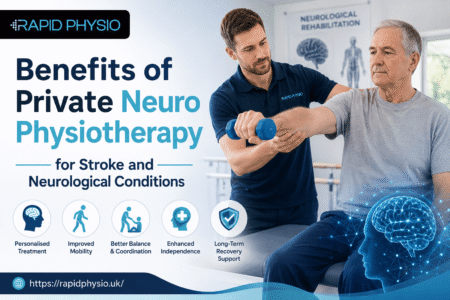
Recovering from a stroke or neurological condition often requires more than general exercise or routine medical care. It involves a structured rehabilitation program that focuses on restoring movement, improving independence, and helping individuals regain confidence in everyday life. Private neuro physiotherapy provides personalized, one-to-one treatment designed to address the unique challenges caused by conditions affecting the brain, spinal cord, and nervous system. Whether someone is recovering from a stroke, Parkinson’s disease, multiple sclerosis, or a traumatic brain injury, tailored rehabilitation can support meaningful improvements in mobility, balance, coordination, and overall quality of life.
Private neuro physiotherapy is a specialized rehabilitation service that helps people recover from stroke and neurological conditions through personalized treatment plans, one-to-one therapy, and evidence-based exercises. It aims to improve movement, balance, strength, and independence while supporting long-term functional recovery.
What Is Private Neuro Physiotherapy?
Private neuro physiotherapy is a specialist area of physiotherapy that focuses on treating people with neurological conditions affecting movement and physical function. Unlike general physiotherapy, it addresses challenges caused by damage to the brain, spinal cord, or nerves.
Common conditions treated include:
- Stroke
- Parkinson’s disease
- Multiple sclerosis (MS)
- Traumatic brain injury
- Spinal cord injury
- Cerebral palsy
- Peripheral neuropathy
Treatment begins with a detailed assessment to understand the patient’s abilities, limitations, and personal goals. Based on this evaluation, a customized rehabilitation plan is created to improve function safely and effectively.
Why Is Early Rehabilitation Important?
The brain has an incredible ability to reorganize itself after injury through a process called neuroplasticity. Early rehabilitation encourages the brain to develop new neural pathways that support movement and daily activities.
Starting physiotherapy soon after medical clearance may help:
- Improve walking and mobility
- Enhance balance and coordination
- Reduce muscle stiffness
- Prevent complications related to inactivity
- Increase confidence in daily activities
Consistent rehabilitation combined with regular practice often leads to better functional outcomes over time.
Benefits of Private Neuro Physiotherapy
Private rehabilitation offers several advantages compared with standard treatment pathways.
Personalized Treatment
Every neurological condition affects people differently. Private therapy focuses on individual needs, creating exercises and rehabilitation strategies that match the patient’s recovery goals and physical abilities.
One-to-One Care
Dedicated sessions allow therapists to monitor progress closely, correct movement patterns immediately, and modify treatment as recovery continues.
Flexible Scheduling
Private services often provide greater appointment flexibility, reduced waiting times, and longer treatment sessions, making rehabilitation more convenient.
Around this stage of recovery, many families begin searching for private neuro physiotherapy near me to find services that offer individualized care and convenient appointment options.
How Does Neuro Physiotherapy Help Stroke Recovery?
Stroke rehabilitation aims to restore as much physical function as possible while helping individuals adapt to lasting changes.
Treatment commonly includes:
Mobility Training
Therapists work on improving walking, transfers, stair climbing, and overall movement efficiency.
Balance Exercises
Balance retraining helps reduce the risk of falls while improving confidence during standing and walking.
Strength and Coordination
Targeted exercises strengthen weakened muscles and improve coordination between different body parts.
Functional Rehabilitation
Patients practice everyday tasks such as dressing, reaching, standing from a chair, and household activities to regain independence.
Each rehabilitation program is adjusted according to the individual’s progress and goals.
Which Neurological Conditions Benefit from Neuro Physiotherapy?
Neurological rehabilitation can support people with various long-term conditions.
| Condition | Primary Rehabilitation Focus |
| Stroke | Walking, balance, arm function |
| Parkinson’s disease | Posture, mobility, fall prevention |
| Multiple sclerosis | Strength, endurance, fatigue management |
| Brain injury | Coordination and functional recovery |
| Spinal cord injury | Mobility and transfer skills |
Although recovery differs for every individual, structured physiotherapy can help maximize functional potential while improving confidence and quality of life.
How to Choose the Right Neuro Physiotherapist
Finding an experienced therapist is an important part of successful rehabilitation.
Consider the following factors:
- Experience treating neurological conditions
- Professional registration and qualifications
- Evidence-based treatment methods
- Individualized rehabilitation planning
- Good communication and patient education
- Regular progress assessments
As recovery progresses, some individuals also search for neuro physio near me to compare local specialists and identify therapists with expertise in neurological rehabilitation.
Expert Tips for Better Recovery
Following a rehabilitation program consistently is just as important as attending therapy sessions.
Some practical recommendations include:
- Complete prescribed home exercises regularly.
- Set realistic, measurable recovery goals.
- Stay physically active within safe limits.
- Communicate any new symptoms to your therapist.
- Involve family members or caregivers in the rehabilitation process.
- Avoid comparing recovery with others, as neurological healing varies depending on the condition, severity, and individual health factors.
Key Takeaways
Private neuro rehabilitation offers personalized treatment plans designed around individual recovery goals.
Early rehabilitation supports neuroplasticity, helping improve movement, balance, and daily function.
One-to-one physiotherapy sessions provide focused guidance and continuous progress monitoring.
Consistent therapy and home exercise programs play an important role in long-term neurological recovery.
Conclusion
Recovering from stroke or another neurological condition requires expert guidance, patience, and consistent rehabilitation. Private neuro physiotherapy offers personalized care that focuses on improving mobility, balance, coordination, and independence through evidence-based treatment plans tailored to individual needs. For those exploring private neuro physiotherapy london, learning more from Rapid Physio can provide valuable information about neurological rehabilitation services and help you understand the treatment options available for supporting long-term recovery.
Faqs
What conditions can private neuro physiotherapy treat?
Private neuro physiotherapy helps individuals with stroke, Parkinson’s disease, multiple sclerosis, spinal cord injuries, traumatic brain injuries, and other neurological disorders. Treatment focuses on improving movement, balance, strength, coordination, and independence through personalized rehabilitation.
How soon should physiotherapy begin after a stroke?
Rehabilitation usually begins as soon as the treating medical team confirms it is safe. Early physiotherapy encourages neuroplasticity, reduces complications, and supports better functional recovery over time.
How often should neuro physiotherapy sessions take place?
The frequency depends on the person’s condition, recovery stage, and rehabilitation goals. Some individuals benefit from multiple sessions each week initially, while others follow a weekly or customized schedule.
Can neuro physiotherapy continue at home?
Yes. Many therapists provide structured home exercise programs that reinforce clinic-based treatment. Home visits may also be available for individuals with mobility limitations.
How do I choose the right neuro physiotherapist?
Look for a qualified physiotherapist with neurological rehabilitation experience, professional registration, evidence-based treatment methods, and a patient-centered approach. Regular progress reviews and clear communication are also important factors.