

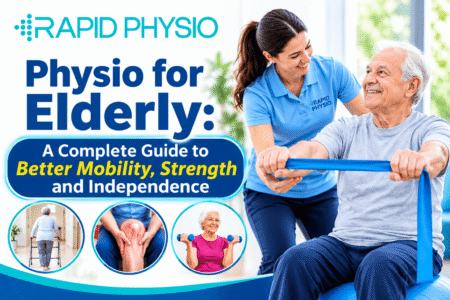
Ageing is a natural part of life, but reduced mobility, muscle weakness, joint stiffness and balance problems do not have to limit everyday activities. Many older adults experience difficulties with walking, climbing stairs, getting out of bed or performing routine household tasks. The right physiotherapy programme can help address these challenges through personalised exercises, movement training and rehabilitation.
Physio for elderly individuals focuses on maintaining physical strength, improving flexibility, supporting balance and helping people remain independent for longer. Whether an older person is recovering from surgery, managing arthritis or experiencing age-related mobility changes, physiotherapy can provide structured support for safer movement and better quality of life.
This guide explains the benefits, techniques, exercises and practical considerations involved in physiotherapy for older adults.
What Is Physiotherapy for Older Adults?
Physiotherapy for older adults is a specialised approach to improving movement, strength, flexibility, coordination and balance. It uses personalised exercises, mobility training and rehabilitation techniques to address age-related physical difficulties, support recovery after illness or surgery, reduce fall risks and help individuals maintain independence in daily activities.
What Is Physiotherapy for Elderly People?
Physiotherapy is a healthcare treatment that helps people improve or maintain their physical function through movement-based rehabilitation and other clinically appropriate techniques.
As people grow older, changes in muscle mass, bone density, joint flexibility and coordination can affect their ability to move comfortably. Certain medical conditions can make these difficulties more noticeable.
A physiotherapist evaluates an individual’s physical abilities, medical history and daily challenges before developing an appropriate treatment plan.
Common treatment goals include:
- Improving walking ability and movement control.
- Strengthening muscles and supporting joint function.
- Improving balance and coordination.
- Managing pain and stiffness.
- Supporting recovery after surgery or hospitalisation.
- Increasing confidence when performing everyday activities.
The main objective is not simply to improve physical performance but to help older adults participate in daily life as safely and comfortably as possible.
Why Is Physiotherapy Important for Older Adults?
Regular physical activity plays an important role in healthy ageing. However, older adults may need professional guidance when health conditions, previous injuries or reduced mobility make independent exercise difficult.
Physiotherapy and older people are closely connected because appropriate rehabilitation can address several physical challenges associated with ageing.
1. Improves Muscle Strength
Age-related muscle loss can make everyday movements more difficult. Activities such as standing from a chair, carrying groceries and climbing stairs may require additional effort.
Physiotherapists prescribe suitable resistance exercises to strengthen important muscle groups, particularly the legs, hips, back and core.
2. Supports Better Balance and Coordination
Balance difficulties can increase the likelihood of falls. Physiotherapy includes controlled activities that improve posture, coordination and stability.
Examples include supported standing exercises, weight shifting and supervised walking practice.
3. Reduces Joint Stiffness
Conditions such as osteoarthritis can cause pain, inflammation and restricted joint movement.
Gentle mobility exercises and appropriate strengthening techniques can help maintain joint function and make everyday movements more comfortable.
4. Helps Maintain Independence
Maintaining independence is one of the most important goals of elderly rehabilitation.
A structured programme can help individuals practise practical movements such as:
- Getting in and out of bed.
- Standing up from a chair.
- Walking indoors and outdoors.
- Using stairs safely.
- Reaching and bending comfortably.
These improvements can make everyday routines easier to manage.
5. Supports Recovery After Surgery
Older adults may require rehabilitation after hip replacement, knee replacement, fractures or other surgical procedures.
A physiotherapist develops a recovery programme based on the procedure, healing progress and medical recommendations.
What Conditions Can Physiotherapy Help Manage in Older Adults?
Physiotherapy can support the management and rehabilitation of several age-related conditions.
Some common examples include:
Osteoarthritis: Appropriate strengthening, mobility exercises and activity modification can help manage joint discomfort and maintain function.
Osteoporosis: Carefully selected weight-bearing and resistance exercises may support physical function. Exercise should account for fracture risk and any existing spinal or bone injuries.
Stroke: Rehabilitation can help improve movement, balance, coordination and functional abilities following a stroke.
Parkinson’s disease: Physiotherapy may address walking difficulties, posture, balance, movement control and physical confidence.
Chronic back and neck pain: Individualised exercises, movement education and suitable manual techniques can help improve mobility and manage discomfort.
Post-fracture rehabilitation: Guided exercises help restore strength, movement and functional ability while respecting healing restrictions.
The treatment approach should always reflect the individual’s diagnosis, symptoms and overall health.
Which Physiotherapy Exercises Are Suitable for Elderly People?
Exercises should match the person’s fitness level, medical history and physical abilities. A physiotherapist can determine the appropriate movements, repetitions and intensity.
Some commonly used exercises include:
1. Seated Leg Extensions
Sit on a stable chair with both feet resting on the floor. Slowly straighten one knee, hold briefly and return the foot to its starting position.
Repeat with the other leg.
This movement helps strengthen the thigh muscles and supports activities such as standing and walking.
2. Sit-to-Stand Exercises
Start by sitting on a sturdy chair. Lean forward slightly and use your legs to stand up slowly. Return to the chair with controlled movement.
This exercise strengthens the legs and helps improve the ability to stand independently.
3. Ankle Movements
While sitting or lying comfortably, move the feet upwards and downwards.
Ankle movements support joint mobility and can be included in gentle circulation and movement routines.
4. Supported Heel Raises
Stand behind a sturdy chair and hold it for support. Slowly raise your heels, stand on your toes and lower them gradually.
This exercise strengthens the calf muscles and supports walking stability.
5. Gentle Walking Practice
Walking at a comfortable pace can help maintain endurance, coordination and general physical activity levels.
Individuals with balance difficulties should receive appropriate guidance before attempting independent walking programmes.
Important: These are general examples, not a personalised exercise prescription. Stop if an activity causes significant pain, dizziness, chest discomfort or unusual breathlessness, and seek appropriate medical advice.
How Does Physiotherapy Help Prevent Falls?
Falls are a significant concern among older adults. Reduced muscle strength, poor balance, vision difficulties, medication side effects and environmental hazards can all contribute to fall risk.
A physiotherapist can assess walking patterns, lower-limb strength, posture and balance to identify areas that need attention.
A fall-prevention programme may include:
- Progressive leg-strengthening exercises.
- Static and dynamic balance training.
- Walking and coordination practice.
- Safe transfers between sitting and standing.
- Advice about appropriate walking aids.
- Recommendations for safer movement around the home.
The National Institute for Health and Care Excellence (NICE) recommends individually tailored, progressive fall-prevention exercise programmes that address balance, coordination and strength.
People who experience repeated falls, injuries or difficulties getting up after falling should receive an appropriate clinical assessment.
When Should Older Adults Consider Physiotherapy?
Physiotherapy may be helpful when an older person experiences:
- Difficulty walking or standing for extended periods.
- Frequent balance problems or falls.
- Persistent joint stiffness or muscle weakness.
- Reduced movement after surgery.
- Difficulty completing daily activities.
- Pain that affects normal movement.
- Loss of confidence when walking outdoors.
Early assessment can help identify physical limitations and establish suitable rehabilitation goals.
If someone experiences sudden weakness, facial drooping, speech difficulties, severe chest pain or sudden unexplained loss of balance, seek emergency medical attention rather than arranging a routine physiotherapy appointment.
How to Choose Physiotherapy for Elderly People Near Me
Finding an appropriate rehabilitation professional is important, particularly when an older adult has multiple health conditions or significant mobility limitations.
When searching for physiotherapy for elderly people near me, consider the following factors:
1. Professional qualifications: Check the physiotherapist’s recognised qualifications, professional registration where applicable and experience with older adults.
2. Relevant clinical experience: Look for experience in geriatric rehabilitation, fall prevention, joint conditions and post-operative recovery.
3. Individualised treatment: A suitable provider should assess the person’s physical abilities and develop a programme based on specific needs rather than using the same exercises for everyone.
4. Home-based treatment options: Older adults who struggle with travelling may benefit from home physiotherapy, where available.
5. Progress monitoring: Treatment should include regular reviews to evaluate mobility, strength, balance and progress towards agreed goals.
6. Communication: The physiotherapist should explain exercises clearly and involve family members or caregivers when appropriate and with the individual’s consent.
Choosing a qualified professional helps ensure that rehabilitation remains appropriate, practical and focused on long-term physical function.
Home Physiotherapy: Supporting Comfort and Independence
For older adults with restricted mobility, travelling to a clinic can sometimes be difficult.
Home physiotherapy brings rehabilitation into a familiar environment. It also allows the physiotherapist to observe how the individual performs everyday movements within their own home.
Benefits may include:
- Greater convenience for people with limited mobility.
- Exercise programmes based on available home space.
- Practical guidance for everyday activities.
- Caregiver education and support.
- Reduced difficulty associated with travelling to appointments.
A home assessment may also identify potential hazards, such as loose rugs, poor lighting and obstacles around walking areas.
Comparison: Different Approaches to Elderly Rehabilitation
| Rehabilitation Approach | Main Focus | Potential Benefits |
| Strength training | Muscle development | Better functional strength |
| Balance training | Stability and coordination | Improved movement confidence |
| Mobility exercises | Joint movement | Reduced stiffness |
| Walking rehabilitation | Gait and endurance | Better walking ability |
| Post-operative physiotherapy | Surgical recovery | Improved functional recovery |
| Home physiotherapy | Everyday movement | Convenient rehabilitation |
The most appropriate approach often combines several techniques according to the individual’s condition and rehabilitation goals.
Expert Tips for Making Physiotherapy More Effective
Consistency and realistic goals are important for successful rehabilitation.
Consider these practical recommendations:
- Start gradually: Begin with manageable activities and increase intensity according to professional guidance.
- Follow the exercise plan: Complete prescribed exercises regularly rather than attempting excessive activity occasionally.
- Prioritise safety: Use recommended walking aids and appropriate support during exercises.
- Maintain communication: Report new pain, dizziness, fatigue or other unusual symptoms to the physiotherapist.
- Involve caregivers: Family members can help encourage safe participation and support exercise routines.
- Review progress: Reassess mobility and functional goals regularly.
- Stay active: Include suitable movement throughout the day and avoid prolonged periods of inactivity.
The World Health Organization recommends that older adults undertake regular physical activity, including aerobic, muscle-strengthening and balance-focused activities according to their abilities.
Key Takeaways
- Physiotherapy supports strength, flexibility, mobility and independence in older adults.
- Individualised exercises can help manage age-related physical limitations.
- Balance and coordination training are important components of fall prevention.
- Rehabilitation can support recovery following surgery, fractures and neurological conditions.
- Home physiotherapy may provide a practical option for people who struggle to travel.
- Regular progress reviews help ensure that exercises remain appropriate.
- Professional assessment is essential when existing medical conditions or significant mobility problems affect exercise safety.
Conclusion
Maintaining mobility and independence is an important part of healthy ageing. Although physical changes can make everyday activities more challenging, appropriate rehabilitation, regular movement and professional guidance can help older adults maintain their functional abilities.
A personalised physio for elderly programme can address muscle weakness, joint stiffness, balance difficulties and recovery needs while supporting safer participation in everyday activities.
Whether rehabilitation takes place at home or in a clinical setting, consistency, individualised treatment and regular progress assessments are essential. Exploring suitable physiotherapy for elderly services through an experienced provider such as Rapid Physio can help individuals and families understand the available rehabilitation options and make informed decisions about long-term mobility and wellbeing.